
Climate Risks

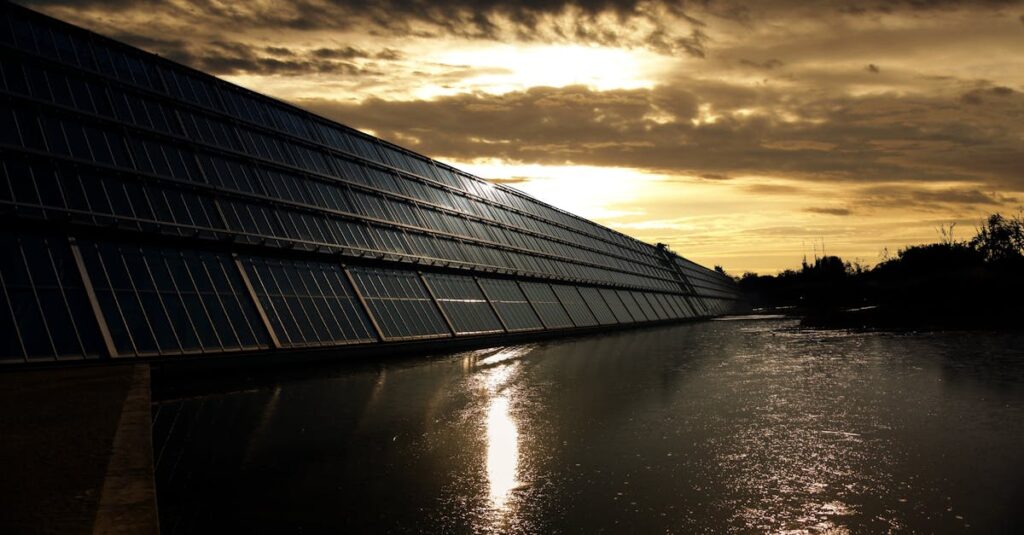
Silhouetted solar panels reflect sunset in tranquil waters, showcasing renewable energy.

Integrity in Voluntary Carbon Markets (VCMs): A Business Guide to Trustworthy Climate Action

Integrity in Voluntary Carbon Markets (VCMs) The Voluntary Carbon Market (VCM) has grown into a key mechanism for mobilizing private capital to address climate change. Yet its credibility is under scrutiny. Concerns about greenwashing, inconsistent standards, and ineffective projects threaten to undermine trust. At the center of efforts to rebuild confidence is the Integrity Council for the Voluntary Carbon Market (ICVCM), which has introduced the Core Carbon Principles (CCPs). These principles set a global benchmark for what high-integrity carbon credits must represent: real, verifiable, and socially responsible climate outcomes. Integrity is not a box to be ticked—it is the foundation upon which the VCM’s future rests. The Three Pillars of Integrity in VCMs The ICVCM’s CCPs are structured across three critical pillars: 1. Governance: Accountability and Transparency Carbon-crediting programs must demonstrate: 2. Emissions Impact: Real and Durable Climate Benefits Every carbon credit must rest on scientific and financial rigor: 3. Sustainable Development: Beyond Carbon Carbon credits must generate co-benefits and uphold safeguards: A Roadmap for Businesses: Ensuring Integrity in Carbon Credit Procurement For companies, translating principles into practice requires a structured approach. Here are five steps to navigate the VCM with confidence: 1. Understand What Makes a High-Quality Credit A credible credit represents one tonne of CO₂ reduced or removed that is additional, permanent, measurable, unique, and causes no harm. Businesses should assess every project against these benchmarks. 2. Prioritize CCP-Labeled Credits The CCP label is designed to signal integrity: 3. Use Independent Ratings and Certifications Complement CCP assessments with independent ratings (e.g., BeZero, Sylvera, Calyx Global). Look for co-benefit certifications (e.g., CCB, SD VISta) or verified SDG contributions, particularly if credits are tied to ESG commitments. 4. Demand Transparency and Conduct Due Diligence 5. Stay Engaged in Market Evolution The Business Case for Integrity The VCM is experiencing a “flight to quality.” Buyers and investors increasingly demand high-integrity credits, rewarding them with stronger demand and higher prices. Those who continue to buy low-integrity credits risk reputational damage, stakeholder pushback, and stranded assets. Integrity is not optional. For businesses, it is the price of entry into credible climate leadership. By aligning procurement strategies with the ICVCM’s CCPs and applying rigorous due diligence, companies can ensure that their carbon credits deliver not just symbolic offsets—but genuine climate and social impact.
Integrity in Voluntary Carbon Markets (VCMs): A Business Guide to Trustworthy Climate Action Read More »

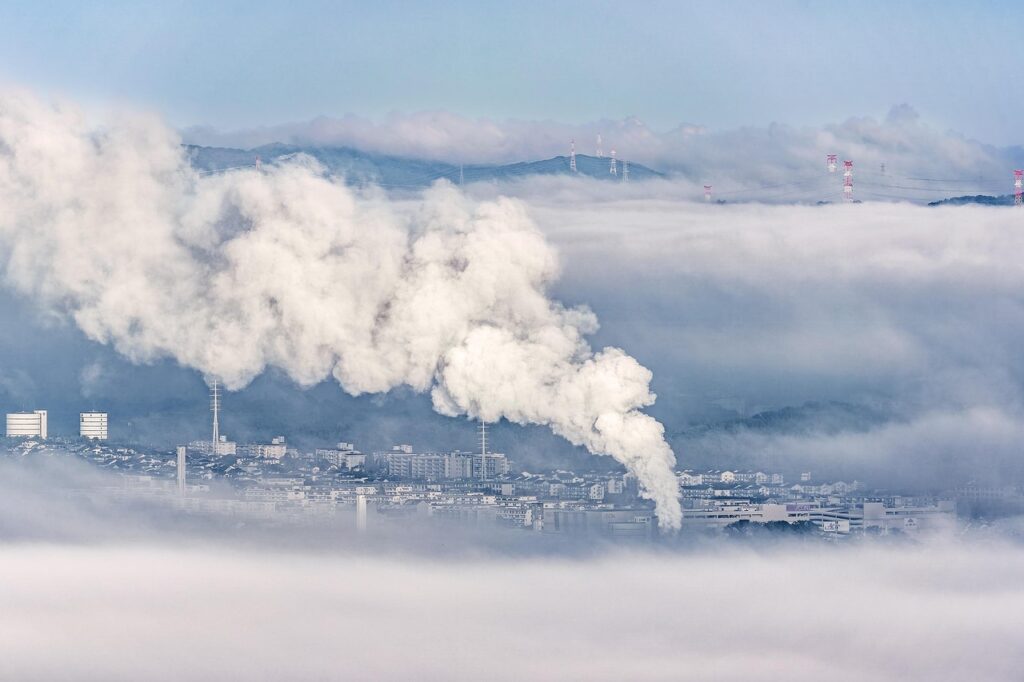
climate change issue, incineration of domestic waste, smoke, city life, carbon dioxide, air pollution, fog, transmission tower, japan, smoke, smoke, carbon dioxide, carbon dioxide, carbon dioxide, air pollution, air pollution, air pollution, air pollution, air pollution

Understanding Financial Risks from Climate Change

Understanding Financial Risks from Climate Change Climate change is not just an environmental concern. It has emerged as a significant financial risk that can affect businesses, economies, and financial institutions alike. As the physical impacts of a warming planet intensify and the transition to a low-carbon economy accelerates, organizations are exposed to two major categories of climate-related financial risks: physical risks and transition risks. Global regulators, investors, and stakeholders are urging companies to take these risks seriously—embedding climate considerations into risk management frameworks, investment decisions, and long-term planning. Let’s break down these risks and what they mean for businesses and financial actors today. I. Physical Risks: Weathering the Immediate and Long-Term Impacts Physical risks stem from the direct effects of a changing climate on assets, infrastructure, people, and operations. These are classified into: These risks have significant financial consequences. For instance: Moreover, second-order effects—like forced migration, disease proliferation, and supply chain instability—can ripple through the economy. Modeling and Managing Physical Risks To quantify these impacts, financial institutions and companies are developing tools that combine hazard, exposure, and vulnerability metrics. One such tool is the Physical Climate Risk Appraisal Methodology (PCRAM), which helps map climate hazards to specific assets and assess their resilience. However, data remains a key constraint. High-quality, granular asset-level data—like building characteristics or insurance coverage—is often missing. Disclosures on physical risks are less advanced than those for transition risks and vary widely in definitions, metrics, and scope. Solutions include: Adaptation and Resilience Strategies Effective mitigation goes beyond quantification: II. Transition Risks: Navigating the Shift to a Low-Carbon Economy While physical risks relate to climate impacts, transition risks emerge from how the world responds to climate change. These risks arise from the policies, technologies, and societal shifts required to meet climate goals—especially those aligned with the Paris Agreement. Key drivers include: Stranded assets—assets that lose value prematurely—are a real threat in this context, impacting not just fossil fuel sectors but also real estate, agriculture, and heavy manufacturing. Assessing Transition Risk Assessing these risks requires understanding emission profiles, policy developments, technological disruptions, and stakeholder sentiment. Tools used include: Data challenges persist—especially for Scope 3 emissions, which cover upstream and downstream impacts in the value chain. Nonetheless, advanced AI tools like large language models can now parse public filings (e.g., 10-Ks) to identify climate-related risks and opportunities. Transition plans must be credible, front-loaded, and externally verifiable. Joining global campaigns like the Race to Zero, setting science-based targets, and regularly reporting progress under TCFD are crucial steps for businesses. III. Cross-Cutting Challenges and Regulatory Momentum Climate risk management today faces multiple hurdles: Regulators are stepping up: Enterprises are being encouraged to embed climate risks into Enterprise Risk Management (ERM) frameworks—defining climate-related risk appetites, evaluating strategic implications, and monitoring performance. IV. Climate Change as a Systemic Risk Climate risk is not confined to any one sector—it is systemic. It can affect everything from property values and supply chains to insurance markets and sovereign credit ratings. Financial institutions with significant exposures may face simultaneous pressures: declining asset values, rising defaults, liquidity crunches, and even regulatory sanctions. This raises the risk of a “climate Minsky moment”—a sudden and dramatic repricing of assets once the true scale of climate exposure becomes evident. The Network for Greening the Financial System (NGFS) has been proactive in studying how adaptation finance, protection gaps, and macroprudential risks are interconnected. How Endurisk Advisory Can Help At Endurisk Advisory, we specialize in guiding businesses and financial institutions through the evolving landscape of climate-related financial risks. Our services include: Our multidisciplinary approach combines technical knowledge, regulatory insight, and practical experience to build resilience and long-term value. Climate risk is no longer a distant threat—it’s a present financial reality. Let Endurisk help you anticipate, adapt, and thrive in the transition to a climate-resilient economy. Connect with us to explore how we can partner on your climate risk journey.

Understanding Financial Risks from Climate Change Read More »

×